We have all felt that small moment of panic after rushing through a crowded station or hopping off a bus. Your hand instinctively goes to your pocket to confirm your phone and wallet are still there. When your wallet is magnetically attached to your phone, that concern is amplified. The fear that a simple bump could mean your MagSafe wallet falls off is a valid one. A truly secure MagSafe wallet provides confidence, not anxiety. It should snap into place with a satisfying click and resist twisting or sliding during normal handling.
This guide will walk you through what separates a weak connection from a strong one. We will cover the key factors that influence MagSafe wallet strength, from the case you use to the design of the wallet itself. By the end, you will know exactly how to test your gear and what to look for when choosing a wallet you can trust on your daily commute.
Understanding MagSafe Wallet Strength for Daily Use
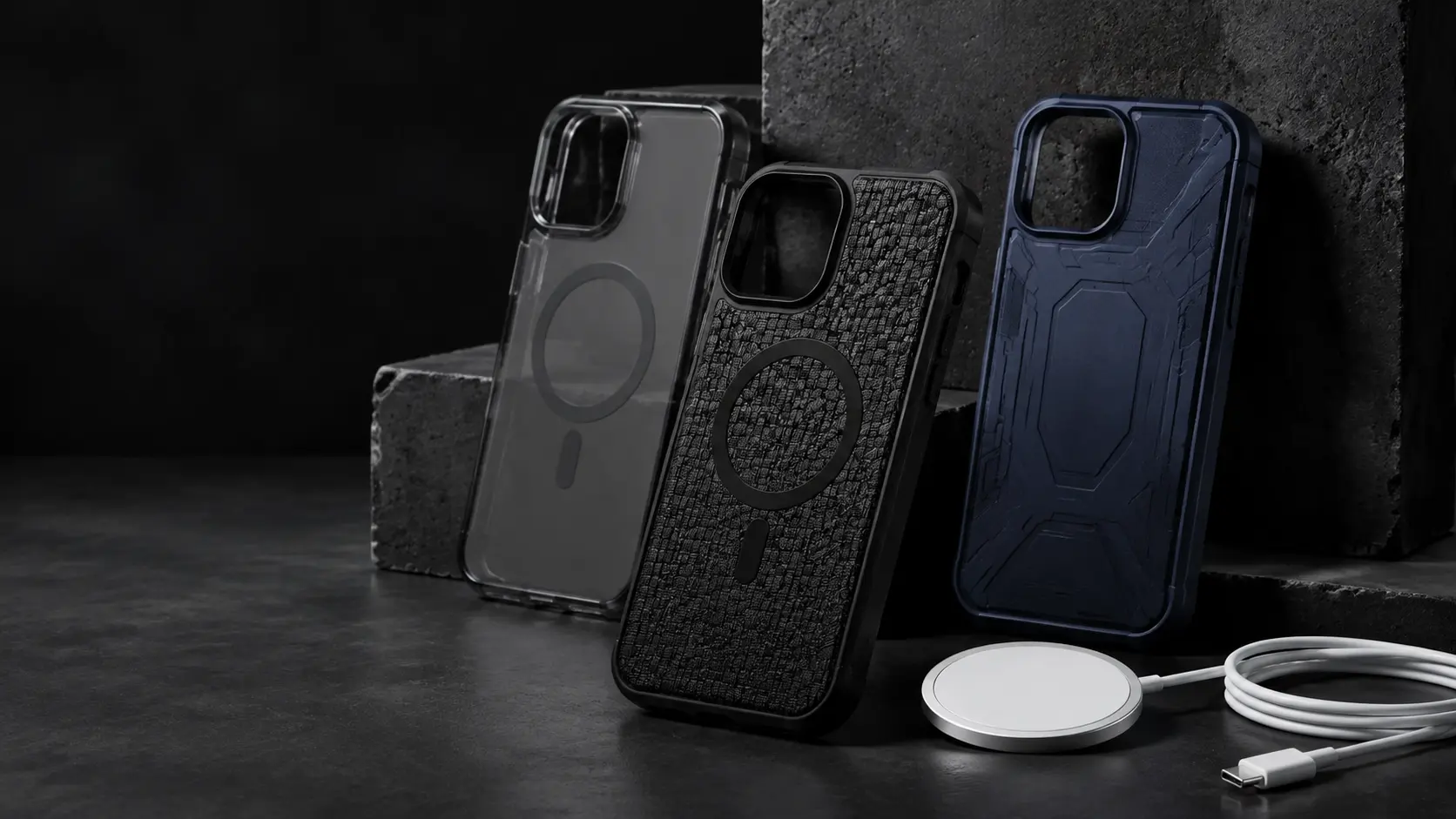
A reliable MagSafe connection is about more than just magnets. It is a complete system where the case, phone, and wallet work together to create a bond strong enough for real-world use. For an active commuter, this means the wallet must withstand the friction of being pulled from a snug pocket, the jostling of a brisk walk, and the occasional bump against a bag or turnstile.
The feeling of a secure attachment is unmistakable. It connects with a firm, reassuring snap, aligning perfectly without any guesswork. When you try to rotate it, you should feel significant resistance. A weak connection, by contrast, might feel mushy, spin too easily, or shift with only light pressure. This is the difference between a wallet that is merely attached and one that is truly secure.
Achieving this level of security depends on a few critical variables. The thickness and material of your phone case, the quality and alignment of the magnets in both the case and the wallet, and even the weight of the wallet itself all play a crucial role. Understanding these elements is the first step toward building a dependable everyday carry setup.
Key Factors That Weaken or Bolster Magnetic Hold
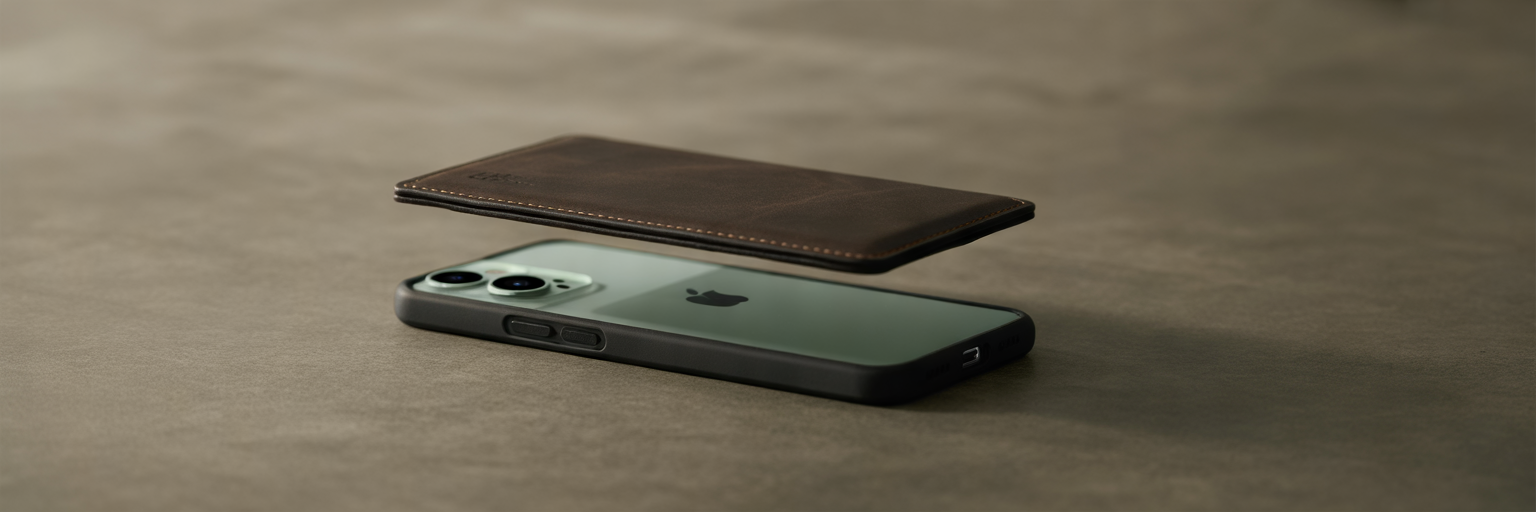
The difference between a wallet that clings reliably and one that detaches unexpectedly comes down to physics. While the technology feels like magic, its performance is governed by tangible factors. Understanding them is key to ensuring your iPhone wallet security.
Case Thickness and Material
The most common reason for a weak magnetic connection is the case. Magnetic force diminishes rapidly with distance. Think of it like trying to stick two fridge magnets together with a thick piece of cardboard in between. The pull gets noticeably weaker. A phone case thicker than 2.5mm can significantly reduce the holding force. Materials like thick leather or bulky, shock-absorbent rubber can also interfere with the connection. For the strongest bond, a thin case designed specifically for MagSafe is essential.
Magnet Quality and Alignment
Not all magnets are created equal. Premium MagSafe accessories use high-grade N52 neodymium magnets, which offer a much stronger pull than the cheaper, unrated magnets found in low-quality products. Just as important is the alignment. A proper MagSafe case or wallet includes a specific ring of magnets that not only helps it snap into the correct position but also features a small vertical magnet at the bottom. This alignment magnet acts as an anchor, preventing the wallet from spinning and shearing off.
Wallet Design and Load
The design and contents of your wallet also affect its stability. A heavier wallet, especially one loaded with four or more cards, has more inertia. When your phone is jostled, that weight wants to keep moving, creating a force that can overcome the magnetic attraction. A minimalist wallet carrying only one or two cards is inherently more secure because it is lighter and less prone to being dislodged by sudden movements. When considering a magsafe wallet, balancing capacity with weight is a practical trade-off.
| Factor | Weakens Connection | Strengthens Connection | Real-World Impact |
|---|---|---|---|
| Case Thickness | Over 2.5mm, bulky materials (e.g., thick leather, rubber) | Thin profile (under 2.1mm), direct-to-iPhone | A thick case can reduce magnetic force by over 50%. |
| Magnet Quality | Weaker ferrite or unrated magnets, poor alignment | N52 Neodymium magnets, precise alignment ring | Stronger magnets resist shearing forces from pocket friction. |
| Wallet Load | Maximum card capacity (4+ cards), heavy materials | Minimalist carry (1-2 cards), lightweight design | A heavy, full wallet is more likely to detach from a jolt or drop. |
| Case Type | Standard case without a magnetic array | Official ‘Made for MagSafe’ or quality compatible case | Non-MagSafe cases allow the wallet to spin and slide off easily. |
This table summarizes how different variables directly influence the magnetic bond. These factors are based on common industry specifications and our hands-on testing observations for consumer guidance.
Simple At-Home Tests for a Secure Attachment
Reading specifications is one thing, but the only way to truly trust your setup is to test it yourself. Before you head out for a busy day, perform these simple checks with your typical daily card load in the wallet. This is how to test MagSafe wallet strength in a way that mimics real-world conditions.
- The Pocket Test
Slide your phone and attached wallet into the pocket you use most often, like the front pocket of a pair of jeans. Walk around and sit down a few times. When you pull the phone out, check the wallet. Did it stay perfectly aligned, or did it shift or detach completely? A secure wallet should withstand the friction and pressure of entering and exiting a snug pocket without moving. - The Commuter Shake Test
Hold your phone firmly and give it several vigorous shakes, simulating the jostling from jogging to catch a train or navigating a dense crowd. The motion should be sharp and sudden, not a gentle wave. The wallet should remain firmly in place. If it slides or flies off, its magnetic hold is insufficient for an active lifestyle. - The Gravity Drop Test
This test checks the raw magnetic pull. Hold your phone horizontally, screen facing down, about six inches above a soft surface like a bed or couch. Slowly tilt the phone. A wallet with a weak connection may slide off with only a slight angle. A secure connection should hold on until the phone is nearly vertical. If it cannot resist gravity, it certainly will not resist an accidental bump.
If your wallet and case combination fails any of these tests, it is not a secure MagSafe wallet for a commuter. The risk of it detaching and getting lost is simply too high. These tests provide the definitive verdict on whether your gear is up to the task.
Choosing a Wallet That Balances Security and Style

If your current setup fails these tests or you are in the market for a new one, you can make a much more informed choice. Finding the best MagSafe wallet for commuters is about prioritizing a strong connection without completely sacrificing aesthetics. Use this checklist to guide your purchase.
- Check the Specs: Look for brands that explicitly mention using strong N52 neodymium magnets. This specification is a key indicator of quality and holding power.
- Read Reviews Critically: Do not just look at star ratings. Seek out reviews from users who specifically comment on the attachment strength, especially when paired with a case. Our hands-on tests always prioritize this factor.
- Prioritize a Secure Case: Remember that your wallet is only half of the system. A high-quality, MagSafe-compatible case with its own strong magnetic array is non-negotiable for reliable iPhone wallet security.
- Consider the Weight: Be realistic about how many cards you carry. If you need to carry more than three, a wallet with an exceptionally strong magnetic grip is necessary to counteract the extra weight and inertia.
Ultimately, the trade-off between a sleek, minimalist design and a robust, secure attachment is a personal one. However, for an active user, a wallet that stays put is always the better choice. The final confirmation will always be your own at-home testing. A wallet that passes those real-world checks is one you can carry with confidence.