The convenience of magnetic charging is undeniable, but its popularity has flooded online stores with a confusing mix of official, imitation, and outright unsafe products. To ensure your device charges efficiently and safely, you need to know how to find and purchase certified magnetic chargers. This guide explains how to identify legitimate products, choose trustworthy sellers, and verify your purchase to avoid the risks of slow charging, overheating, and poor magnetic connection.
How to Identify Certified Magnetic Chargers
Before you even think about where to buy, you must know what to look for. Official certifications are the only guarantee of performance and safety. Without them, you are buying a product based on marketing claims, not verified engineering. Understanding the difference between official standards and vague promises is the first step to a smart purchase.
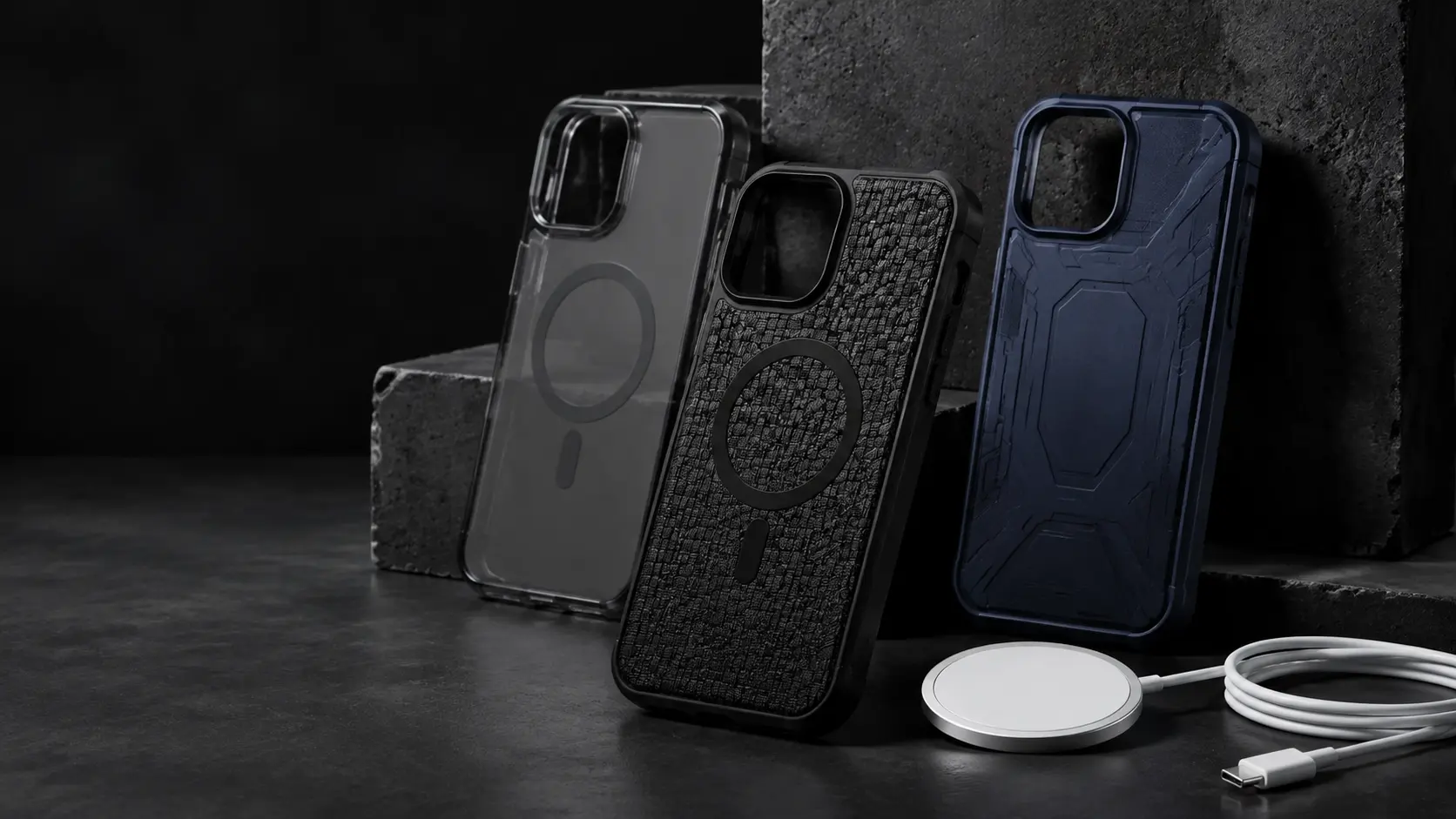
Understanding Official Certifications: Made for MagSafe vs. Qi2
There are two primary certifications that guarantee a high-quality magnetic charging experience. The first is Apple’s “Made for MagSafe” (MFM) program. This is a proprietary standard that ensures a charger delivers a full 15W of power to a compatible iPhone, with perfect magnetic alignment and strict safety protocols. The second, and newer, standard is Qi2 (pronounced ‘chee-two’). Developed by the Wireless Power Consortium (WPC), Qi2 incorporates the same magnetic power profile as MagSafe, making it a universal standard for both iPhones and future Android devices. Both MFM and Qi2 certified products have undergone rigorous testing for efficiency, safety, and durability. For a deeper look at the technology, our guide to magsafe chargers covers the fundamentals.
Decoding Marketing Language
Many sellers use confusing language to imply certification without actually having it. Learning how to spot fake magsafe chargers often comes down to recognizing these misleading phrases. Be cautious if you see terms like:
- “MagSafe-compatible” or “Works with MagSafe”: This usually means the product has magnets but is not officially certified. It will only charge an iPhone at the slower 7.5W speed.
- “Magnetic-style”: A clear red flag that the product merely mimics the look of a certified charger without any performance guarantees.
- “15W magnetic charging”: Unless accompanied by an official MFM or Qi2 logo, this claim is often unverified and may not be achievable in real-world use.
These uncertified products frequently use weaker magnets, leading to poor alignment and inefficient charging. Worse, they often lack the temperature sensors and safety features of certified chargers, creating a risk of overheating.
Verifying Certification with Official Databases
You can confirm a product’s legitimacy before you buy it. Legitimate brands will display the model number prominently in their product listings. For Qi2 certified chargers, you can confirm any product’s status by searching its model number in the Wireless Power Consortium’s certified product database. Official MFM products are typically sold by reputable brands that will clearly state the certification. Always look for crisp, professionally printed logos on the packaging itself, as blurry or misspelled branding is a common sign of a counterfeit product.
Choosing a Trustworthy Retailer Online

Knowing what to look for is half the battle; the other half is knowing where to shop. The best place to buy phone chargers is almost always from a retailer that guarantees authenticity. Navigating online marketplaces requires a careful eye, as a low price can often hide a high risk.
Prioritizing Authorized and Official Sellers
Your safest options are always official and authorized channels. Start your search on the brand’s own website, such as Belkin, Anker, or Satechi. The Apple Store is another reliable source for MFM-certified accessories. Major electronics retailers like Best Buy or Target also carry authentic products from trusted brands. Established brands have a reputation to protect, a key aspect of building a brand that sells and lasts, which means they are far less likely to risk selling uncertified or unsafe accessories.
Vetting Sellers on Large Marketplaces
When shopping on a massive marketplace like Amazon, pay close attention to the seller information. Prioritize listings that are “shipped and sold by Amazon” or “sold by” the official brand’s storefront. While “fulfilled by Amazon” offers fast shipping, the product may come from a third-party seller whose inventory could be mixed with counterfeits. Avoid unknown third-party sellers with limited reviews or generic-sounding names, as the risk of receiving a fake or uncertified product is significantly higher.
Common Red Flags in Product Listings
When you consider how to buy magsafe charger from a less familiar seller, watch for these warning signs:
- A price that is too good to be true: Certified technology costs money to license and implement. A charger priced far below competitors is almost certainly not certified.
- Poorly written descriptions: Frequent typos, grammatical errors, or awkward phrasing in the product title and description suggest a lack of professionalism.
- Generic stock photos: Reputable brands invest in high-quality, unique product photography. Be wary of listings that only use generic renderings or blurry images.
- Suspicious reviews: A flood of vague, five-star reviews posted in a short period can indicate that the reviews are fake. Look for detailed reviews that discuss specific product features.
| Retailer Type | Authenticity Risk | Price | Customer Support |
|---|---|---|---|
| Brand’s Official Website | Lowest | Retail Price (MSRP) | Direct from Manufacturer |
| Authorized Major Retailer | Very Low | Retail or Sale Price | Retailer & Manufacturer |
| Marketplace (Sold by Brand/Platform) | Low | Often Competitive | Platform & Manufacturer |
| Third-Party Marketplace Seller | High | Varies (Often Suspiciously Low) | Seller-Dependent (Risky) |
This table summarizes the trade-offs between different online sellers. While third-party sellers may offer lower prices, the risk of receiving a counterfeit or uncertified product is significantly higher.
Your Pre-Purchase Checklist
Before you click “buy,” run through this final checklist. Taking a few extra minutes here can save you from the frustration of a poor purchase and ensure you get one of the many safe magnetic phone chargers available.
- Confirm Power Adapter Inclusion. Many magnetic chargers, including Apple’s own, are sold without a USB-C power adapter. To achieve the full 15W charging speed, you will need a 20W or 30W adapter. Check if one is included, otherwise, you will need to budget for this additional cost.
- Scrutinize the Warranty. A legitimate product should come with a manufacturer’s warranty of at least one year. Verify that the warranty is offered directly by the brand, not just the third-party seller. A seller-only warranty provides little protection if the seller disappears from the marketplace.
- Read the Return Policy. Ensure the retailer offers a reasonable return window, ideally 14 to 30 days. Check the policy details to see who is responsible for return shipping costs and whether returns are accepted for “change of mind.” A flexible return policy gives you an exit if the product fails to meet your expectations.
- Request Proof from Smaller Sellers. If you are buying from a seller on a platform like eBay or Facebook Marketplace, take a proactive step. Ask the seller to provide a clear, current photo of the product’s box showing the certification logos and model number. This allows you to perform a pre-purchase check and often deters dishonest sellers.
How to Verify Your Charger After Delivery
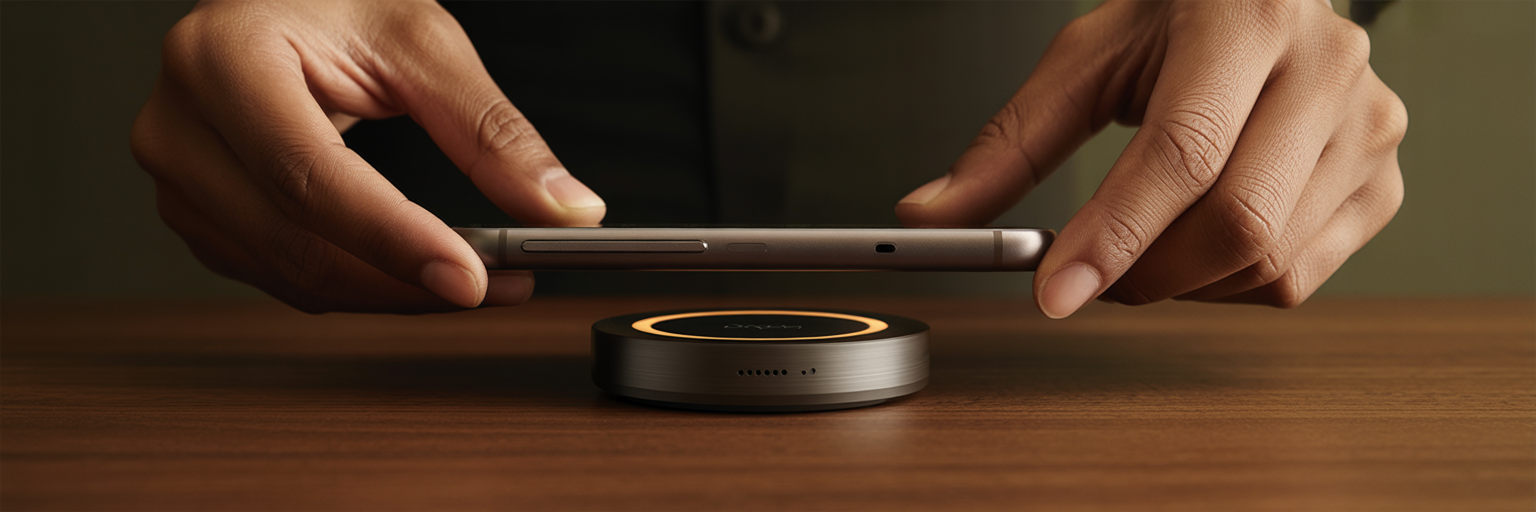
Once the charger arrives, a few simple hands-on tests can confirm its authenticity. This final verification step ensures the product you received matches what was advertised and gives you peace of mind.
Physical Inspection and Magnet Test
First, inspect the charger and its packaging. The printing on the device and box should be sharp and clear, with no misspellings or blurry logos. Next, perform a simple “snap test.” A certified charger should snap firmly onto the back of your iPhone, centering itself perfectly over the charging coil. The magnetic connection should feel strong and secure. If the connection is weak, off-center, or easily dislodged, it is a major red flag.
Confirming the Charging Indicator and Speed
When you connect a compatible iPhone to one of the official certified magnetic chargers, a specific on-screen animation and sound should appear, confirming a secure connection. The absence of this distinct MagSafe or Qi2 charging animation is a definitive sign of a non-compliant product. During the first use, place your hand on the charger and your phone. While some warmth is normal, excessive heat is a sign of poor thermal management and a potential safety hazard.
Final Authentication Step
For the ultimate confirmation, look for a serial number on the charger or its packaging. Many reputable manufacturers allow you to register your product on their official website. This process not only activates your warranty but also serves as a final, definitive check of the product’s authenticity. If the serial number is rejected or already registered, you have likely received a counterfeit item and should initiate a return immediately.