You invested in a heavy-duty case for maximum protection, only to find your magnetic charging is now frustratingly inconsistent. It’s a common problem, but the issue isn’t a faulty charger. The solution lies in understanding how MagSafe chargers for thick cases interact with your phone. When the connection is weak, charging slows down, generates heat, and can even stop altogether. This guide explains why it happens and how to get a reliable charge without sacrificing protection.
Why Some MagSafe Chargers Fail With Thick Cases
The core of MagSafe technology is its reliance on a precise alignment between the magnets in the charger and the charging coils inside your iPhone. Think of it like two strong magnets that need to be close to snap together firmly. A bulky or thick case creates a physical gap that weakens this magnetic connection. This extra distance is the primary reason you might find your MagSafe not working with case properly.
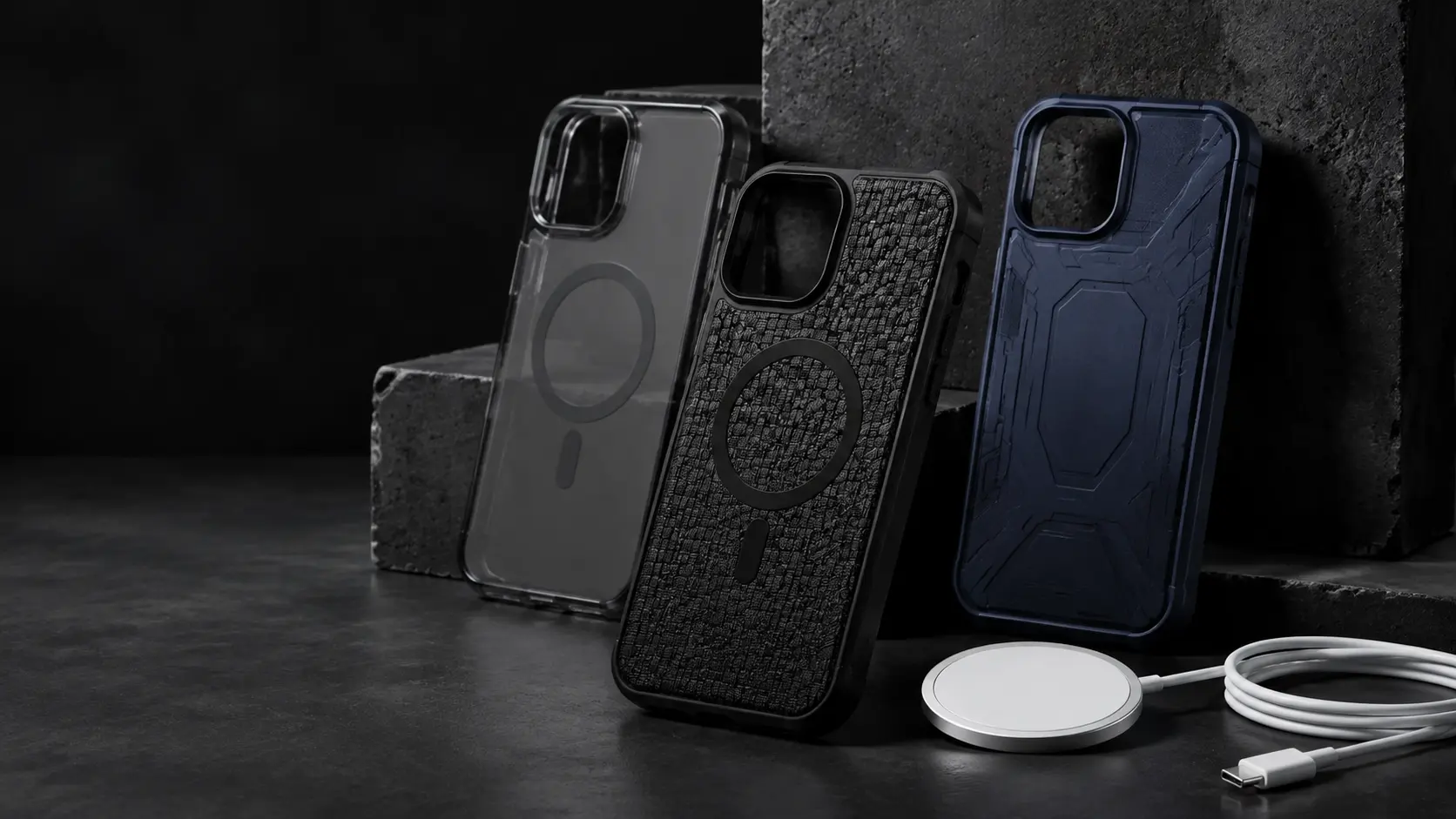
When the magnetic lock is poor, the flow of energy from the charger to the phone becomes inefficient. This inefficiency has two main consequences. First, charging speeds drop significantly because energy is lost instead of being transferred to your battery. A charge that should take an hour might now take several.
Second, and more importantly, this lost energy converts into excess heat. Your iPhone is designed to protect its battery from damage, so its software constantly monitors temperature. When it detects the charger or the phone getting too warm, it automatically throttles or pauses charging altogether. This is a safety feature, not a defect, but it results in an unreliable and frustrating charging experience.
Key Factors That Disrupt Magnetic Charging
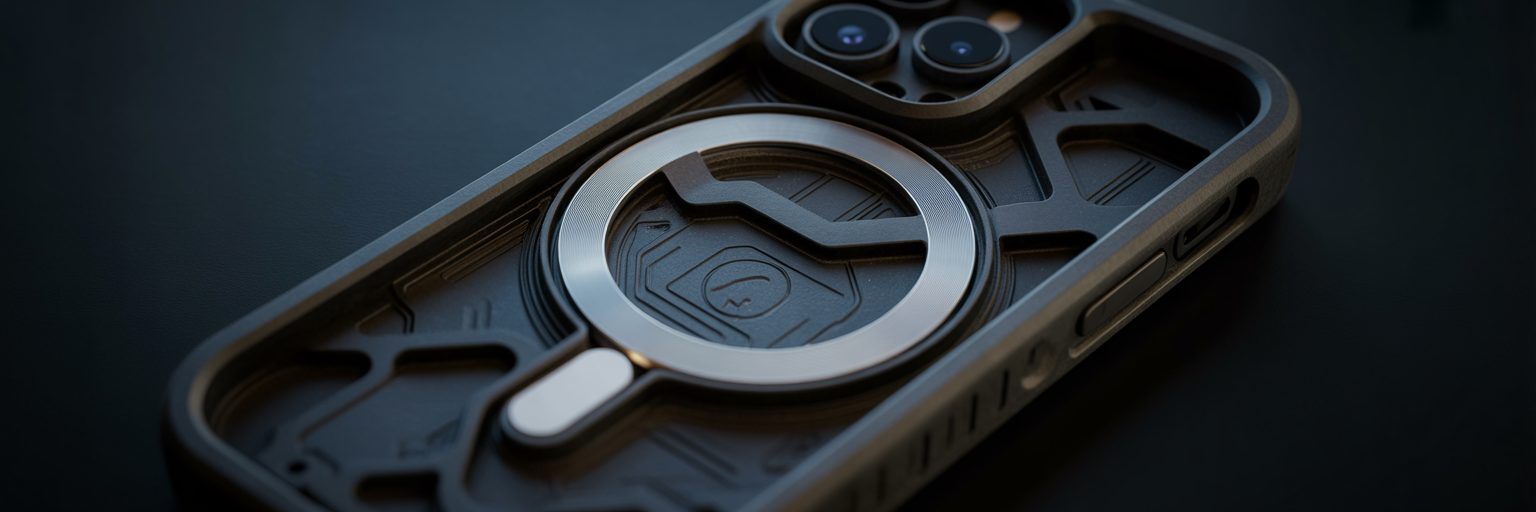
Moving beyond the basic physics, specific attributes of a phone case are the direct culprits for a failed magnetic connection. It’s not just about a case feeling bulky; the material and internal construction play a critical role in whether your charger can establish a solid link for consistent power delivery.
Case Thickness and Material
Most MagSafe accessories are engineered to work with cases that are less than 2.5mm thick. Once a case exceeds this distance, the magnetic force drops off sharply. According to testing from Maplee-Tech, cases thicker than 3mm can even trigger a charger’s Foreign Object Detection (FOD), causing it to shut down completely. This safety system is designed to prevent the charger from heating up metal objects, but an overly thick case can be misinterpreted as an obstruction.
The material of the case is just as important as its thickness. Any case containing metal components, like kickstands or plates for magnetic car mounts, will completely block the magnetic field. Attempting to charge through metal is not only ineffective but also a safety risk, as the metal can absorb energy and become dangerously hot.
The Importance of a Built-in Magnetic Ring
This is where the difference between a simple thin case and a true “MagSafe-compatible” case becomes clear. A proper MagSafe case includes its own array of magnets built directly into the shell. This integrated ring isn’t just for show; it is essential for reliable iPhone rugged case charging.
The ring acts as a magnetic bridge, extending your iPhone’s magnetic field through the protective material. It actively pulls the charger into perfect alignment with the internal coils, ensuring a strong lock and efficient energy transfer. This feature is what allows various MagSafe chargers to work seamlessly with protective designs. Without this built-in ring, even a relatively thin case can permit enough misalignment to cause slow charging and overheating.
How to Test Your Case and Charger Setup
Before you assume your case or charger is defective, you can run a few simple diagnostic checks at home. These practical tests will help you identify exactly where the connection is failing, saving you time and frustration. Each test focuses on a different symptom of a poor magnetic bond.
First, perform an audio test. Place your cased iPhone on the MagSafe charger and listen for the distinct charging chime. If the connection is stable, you will hear it once. If the chime repeats every few seconds, it means the magnetic alignment is unstable, causing the connection to drop and reconnect continuously.
Next, conduct a physical MagSafe magnetic strength test. This is especially useful for stands and mounts. Attach your cased phone to the charger and give it a slight nudge. Does it rotate easily, slide down, or fall off? A secure connection should hold the phone firmly in place, even when gently jostled. If it feels loose, the magnets in the case are too weak to compensate for its weight and thickness.
Finally, run a heat and performance check. Let your phone charge for 20 to 30 minutes. Afterward, feel the back of the phone and the surface of the charger. While some warmth is normal, they should not feel uncomfortably hot. At the same time, check your battery percentage to see if it has increased at a reasonable rate. Excessive heat combined with slow charging is a clear sign of poor alignment.
| Symptom | Likely Cause | Solution |
|---|---|---|
| Charging chime repeats | Unstable magnetic connection | Case is too thick or lacks a magnetic ring |
| Phone or charger is very warm | Poor alignment causing energy loss | Ensure case has a MagSafe ring for proper alignment |
| Phone slides off mount | Weak magnetic bond | Switch to a case with stronger built-in magnets |
| Charging starts and stops | Case thickness may be triggering FOD | Use a certified MagSafe case under 3mm thick |
| No charging at all | Metal in case or severe misalignment | Remove case; check for metal components |
Shopper’s Checklist for a Perfect Match
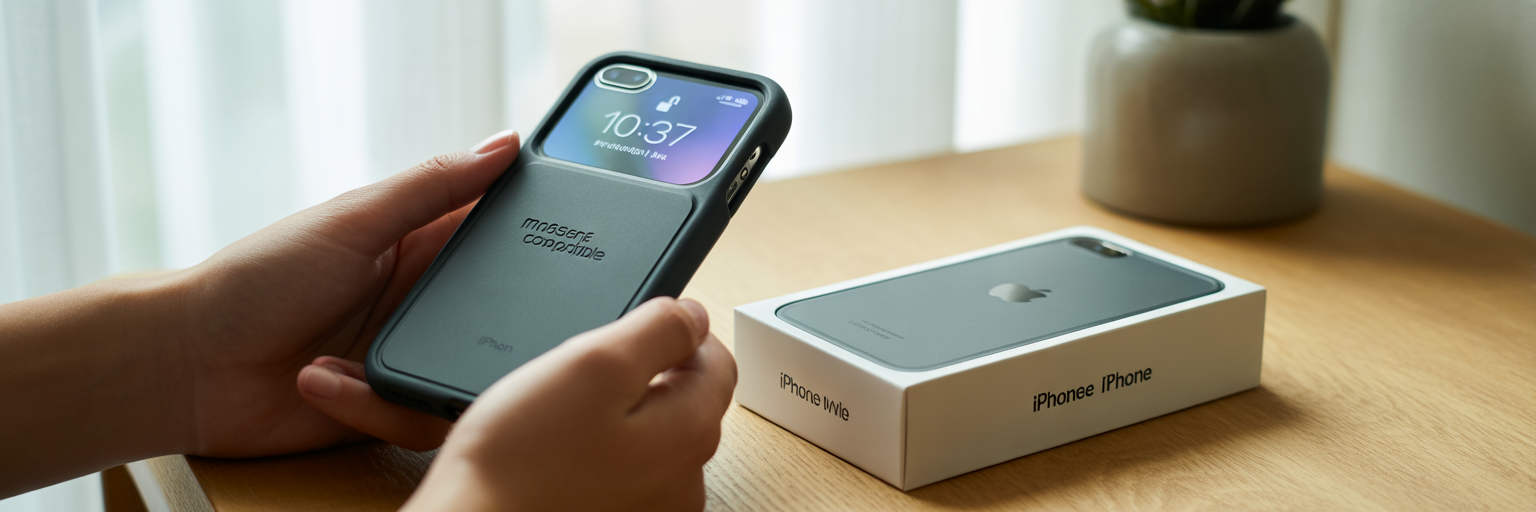
To avoid charging problems from the start, it helps to know what to look for when buying a new case or charger. This pre-purchase checklist will equip you to find a combination that delivers both robust protection and reliable power. Following these steps is the most effective way to perform a MagSafe compatibility check before you spend any money.
- Look for Official MagSafe Branding
The most reliable indicator of compatibility is “Made for MagSafe” or “MagSafe Compatible” branding on the case’s packaging or product page. This confirms the case includes the necessary built-in magnetic ring and has been designed to meet Apple’s alignment and thickness standards. - Avoid Cases with Metal Components
As a rule, steer clear of any case that has metal kickstands, decorative plates, or integrated grips on the back. These materials will always interfere with wireless charging and can pose a safety hazard by causing the charger to overheat. - Consider a Qi2-Certified Charger
The new Qi2 wireless charging standard incorporates the same Magnetic Power Profile used by MagSafe. The best Qi2 charger for iPhone models can offer a more reliable connection and smarter power negotiation, even with some thicker cases. Investing in a Qi2 charger is a smart, future-proof choice. - Check Hands-On Reviews
Manufacturer claims are a good starting point, but real-world performance can vary. Before buying, search for hands-on reviews that specifically test your chosen rugged case model with different types of magnetic chargers. User feedback often reveals compatibility issues that are not mentioned in official product descriptions.
Finding a Balance Between Protection and Power
Many iPhone users feel they must choose between a case that offers maximum protection and one that allows for convenient magnetic charging. Fortunately, with the right equipment, this compromise is no longer necessary. You can have both uncompromised safety and effortless power.
The single most important takeaway is this: a thick or rugged case must have its own built-in magnetic ring to work reliably with MagSafe chargers for thick cases. This feature is the key to bridging the physical gap created by protective materials, ensuring a solid magnetic lock and efficient charging every time.
By using the shopper’s checklist to make informed purchases and applying the simple diagnostic tests to your setup, you can confidently pair a heavy-duty case with a magnetic charger. This approach ensures your device stays protected from drops while powering up without frustration.