The appeal of a slim, phone-mounted wallet is undeniable, but its practicality hinges on one key detail: how many cards it can actually hold. Understanding the real-world MagSafe wallet card capacity is the first step to a successful minimalist setup, as most designs are optimized for just one to three essential cards.
Understanding MagSafe Wallet Card Capacity
A MagSafe wallet is designed as a minimalist accessory for your most important cards, not a direct replacement for a traditional bifold. This distinction is crucial. The typical one to three card capacity is a deliberate choice to maintain a slim profile and, more importantly, a secure magnetic bond to your iPhone. The physics are straightforward: the more cards you add, the thicker and heavier the wallet becomes. This added bulk creates more leverage, making it easier for the wallet to get knocked off during daily use.
Think of manufacturer capacity claims as a best-case scenario. These ratings almost always assume you are using thin, flat, standard-sized cards. As we have found in our hands-on testing, the moment you introduce cards with raised numbers or different materials, that advertised capacity can decrease. The goal of a minimalist MagSafe wallet is to streamline what you carry, forcing a conscious decision about which cards are truly essential.
For those new to the concept, a MagSafe wallet offers a smarter way to carry your essentials by attaching directly to your phone. This guide focuses specifically on capacity, helping you match a wallet to your real-world needs rather than an optimistic product description.
Why Card Thickness Changes Everything
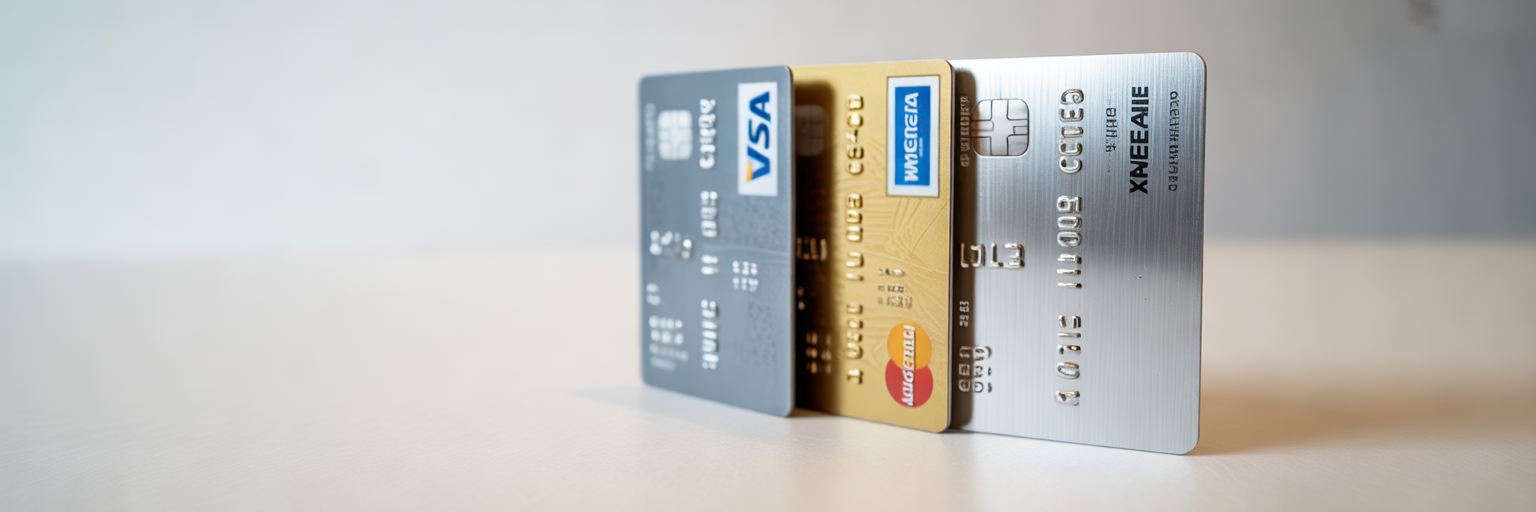
The number printed on the box is only half the story. The true capacity of your wallet is determined by the physical properties of your cards. A standard, flat-printed card, like a modern debit card or transit pass, has a thickness of 0.76 mm. This is the baseline that most manufacturers use for their capacity ratings.
However, many cards do not conform to this standard. An embossed credit card with raised numbers is significantly thicker, often taking up the space of 1.5 standard cards. Premium metal credit cards are even bulkier and can easily occupy the space of two flat cards. This is where advertised capacity meets reality. A wallet rated for three cards might only comfortably fit two if one of them is embossed. If you carry a metal card, you may only have room for one other flat card, like your ID.
As tests from publications like SUPCASE confirm, the mix of cards is what matters. The impact of MagSafe wallet card thickness is not just about fit, but also function. Stacking two embossed cards can cause them to snag on each other, making them difficult to remove. Before you commit to a wallet, we recommend testing it with your specific daily card combination to ensure it works for you.
| Card Type | Typical Thickness | Effective Space Used (vs. 1 Flat Card) |
|---|---|---|
| Standard Flat Card (Debit, Transit) | 0.76 mm | 1.0x |
| Embossed Card (Traditional Credit) | ~1.14 mm | ~1.5x |
| Metal Card (Premium Credit) | ~1.3 mm – 1.5 mm | ~1.8x |
| Thick ID/Access Badge | ~1.0 mm – 1.2 mm | ~1.4x |
Note: These measurements are based on industry standards and our own hands-on testing. A wallet rated for three flat cards may only fit two embossed cards, or one metal and one flat card.
Choosing Your Ideal Card Count
Once you understand the physical limitations, the next step is to match a wallet to your lifestyle. The right choice depends entirely on what you need to carry every single day. We have broken down the most common setups to help you decide.
The One-Card Setup: The True Minimalist
This setup is for those who have fully embraced digital payments. If you use Apple Pay for nearly every transaction, you may only need to carry a single physical card.
- Typical User: The tech-forward individual who values the absolute slimmest profile.
- Common Card: A driver’s license or a primary ID.
- Consideration: This setup offers maximum convenience but leaves no room for a backup payment card if digital payments fail.
The Two-Card Setup: The Everyday Standard
This is the most popular and practical configuration for most people. It provides a sensible balance between minimalism and preparedness, covering your identity and primary payment method.
- Typical User: The practical minimalist who wants essentials on hand without any bulk.
- Common Combination: An ID and a primary credit or debit card.
- Benefit: This setup is slim, secure, and covers the vast majority of daily situations.
The Three-Card Setup: The Wallet Replacement
For those aiming to completely ditch a traditional wallet, a three-card capacity is often the target. This allows for an ID, a primary payment card, and a flexible third option. This is where finding the best MagSafe wallet for 3 cards becomes important, as design quality varies.
- Typical User: Someone transitioning from a front-pocket wallet who needs a bit more versatility.
- Common Combination: An ID, a credit card, and a debit, transit, or work access card.
- Key Feature to Look For: Seek out wallets with an internal spring or tension plate. These mechanisms hold one card just as securely as three, offering far more flexibility than simple leather or elastic sleeves that can lose their grip if not kept full.
Practical Tips for Downsizing Your Wallet
Making the switch to a MagSafe wallet requires a change in habits. It is less about finding a product that can hold everything and more about refining what you need to carry. Follow these steps for a smooth transition.
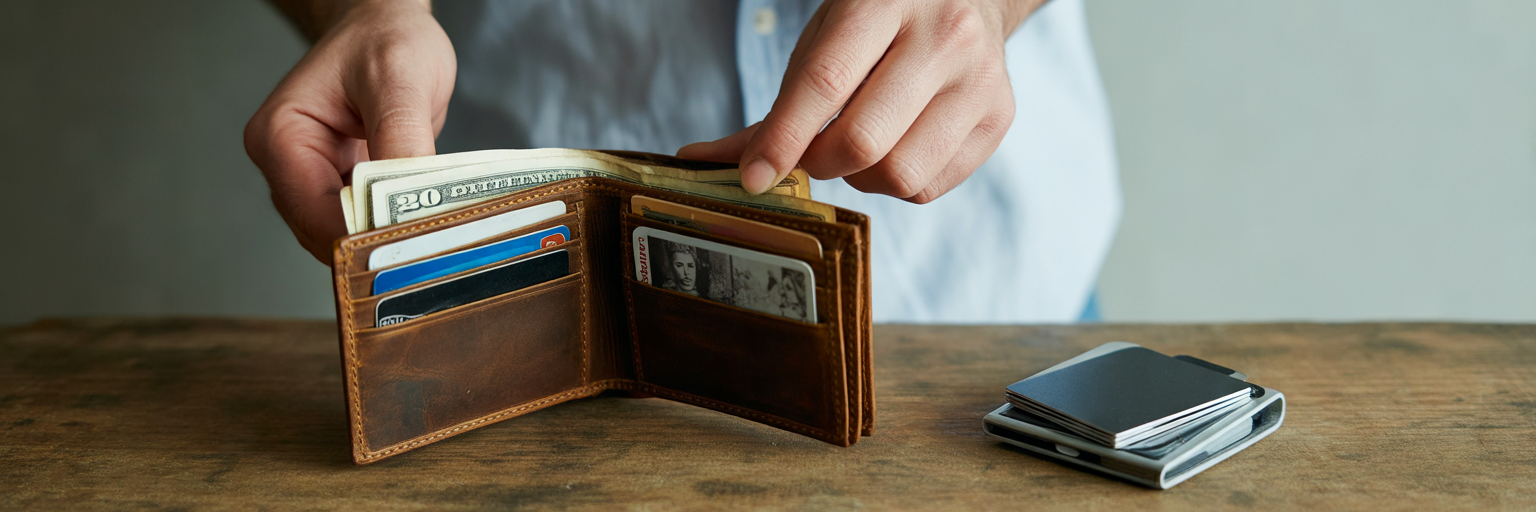
- Perform a ‘Card Audit’. Empty your traditional wallet onto a table. Be honest about what you use daily versus what you carry “just in case.” This is the most important step for anyone considering replacing wallet with MagSafe. Create two piles: daily essentials and occasional cards. Your MagSafe wallet is only for the first pile.
- Digitize Everything Else. Many of the cards taking up space can live on your phone. Add loyalty cards, gym memberships, event tickets, and even some insurance cards to your phone’s digital wallet app. Each card you digitize is one less physical item you need to carry.
- Address the Cash Problem. MagSafe wallets are not designed for cash. While you can fold one or two bills tightly behind your cards for emergencies, the system works best for those who primarily use cashless payments. See this as an opportunity to rely more on tap-to-pay and digital transactions.
- Avoid Overstuffing at All Costs. Forcing an extra card into a wallet made of leather or elastic is a mistake. It will permanently stretch the material, ruining its ability to securely grip a smaller number of cards later. Always respect the wallet’s intended capacity to ensure your cards stay safe and secure over the long term.
Making the Right Choice for Your Carry
Choosing the right MagSafe wallet comes down to an honest assessment of your daily needs. Instead of focusing on the maximum advertised MagSafe wallet card capacity, start by identifying the one, two, or three cards you cannot leave home without.
Always remember to account for card thickness. Your mix of flat, embossed, and metal cards will determine your true capacity. Forcing too much into a slim wallet compromises its magnetic security and can damage the wallet itself over time.
So, how many cards MagSafe wallet should hold for the average person? Based on our testing and daily use, a high-quality wallet designed for two or three cards offers the best combination of function, security, and minimalist design. This capacity provides enough versatility for most situations without adding unnecessary bulk to your phone.