Modern smartphones are engineering marvels, but their sleek glass and metal surfaces make them notoriously slippery. This becomes a genuine problem during a busy commute, whether you are navigating a crowded train station with bags in hand or simply trying to send a text while walking. In these moments, a secure one-handed grip is a necessity. The right slim grippy cases provide this security without adding the bulk of a heavy-duty case. They offer a practical middle ground between going caseless and stretching your pockets with a thick, cumbersome shell.
Effective grip is not an accident. It is the result of thoughtful design, combining specific textures, side patterns, and materials engineered for a confident hold. These features are especially important for phone cases for commuters, where a single drop can lead to a costly screen repair and significant inconvenience. While this guide focuses on finding a case with the perfect balance of slimness and grip, understanding the full range of options is a great starting point. Our guide on how to choose a phone case can help you explore different categories to see what best fits your lifestyle. This article will help you identify the specific features that make a slim case feel secure and comfortable for daily, one-handed use.
Why Slim Grippy Cases Are Essential for Commuters
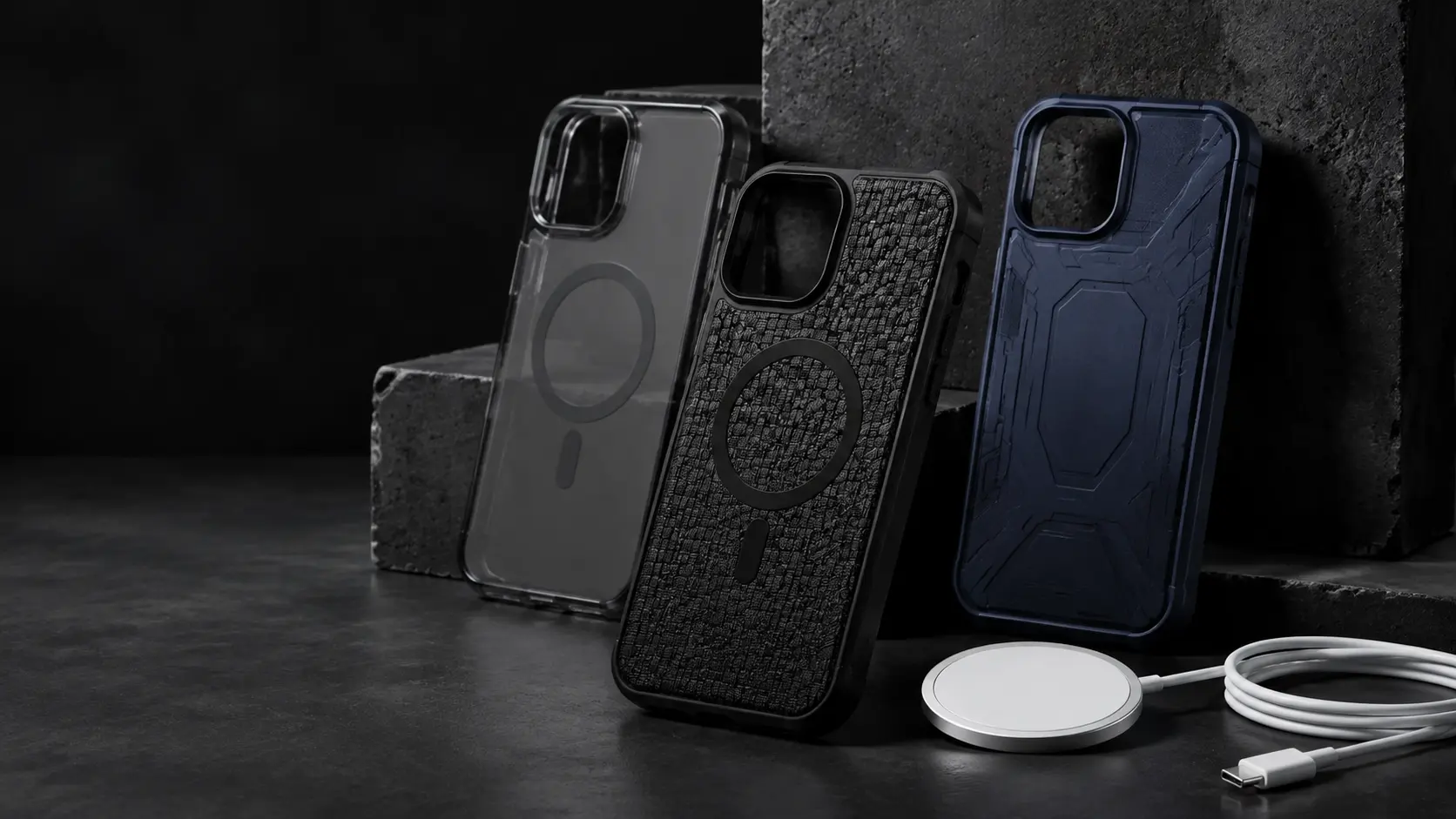
Modern smartphones are engineering marvels, but their sleek glass and metal surfaces make them notoriously slippery. This becomes a genuine problem during a busy commute, whether you are navigating a crowded train station with bags in hand or simply trying to send a text while walking. In these moments, a secure one-handed grip is a necessity. The right slim grippy cases provide this security without adding the bulk of a heavy-duty case. They offer a practical middle ground between going caseless and stretching your pockets with a thick, cumbersome shell.
Effective grip is not an accident. It is the result of thoughtful design, combining specific textures, side patterns, and materials engineered for a confident hold. These features are especially important for phone cases for commuters, where a single drop can lead to a costly screen repair and significant inconvenience. While this guide focuses on finding a case with the perfect balance of slimness and grip, understanding the full range of options is a great starting point. Our guide on how to choose a phone case can help you explore different categories to see what best fits your lifestyle. This article will help you identify the specific features that make a slim case feel secure and comfortable for daily, one-handed use.
Decoding Grip: Textures, Patterns, and Materials
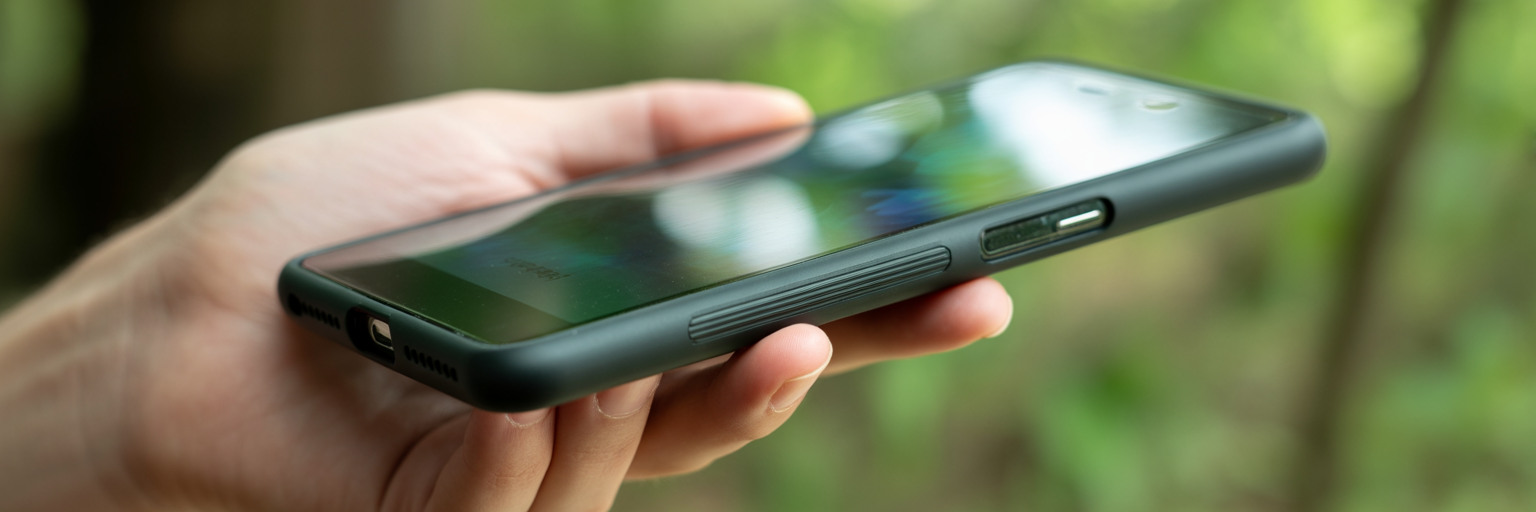
The term “grippy” can mean many things, but in a quality phone case, it refers to specific, engineered features. A secure hold comes from a combination of tactile surfaces and smart material choices that work together to prevent slips. Understanding these elements helps you look past vague marketing claims and identify a case that will genuinely feel more secure in your hand.
Engineered Textures for a Confident Hold
The most effective grip features are often found on the sides of the case, exactly where your fingers apply pressure. These textured phone case sides are designed to increase friction and provide tactile feedback, making one-handed operation feel more stable and reducing hand fatigue over time. When evaluating a case, look for these specific designs:
- Micro-textures: These are fine, almost sand-like surfaces that create subtle friction against your skin. They provide a confident hold without feeling rough or abrasive.
- Stippled Patterns: Consisting of small, raised dots or bumps, these patterns are typically placed along the side rails to give your fingertips extra purchase.
- Ergonomic Grooves: Subtle channels or ridges are molded into the sides to guide your fingers into a natural, secure position, making the phone easier to hold.
- Scalloped Edges: Some designs feature wavy or indented side rails that conform to the curve of your fingers, creating a more locked-in feel.
These textures are not just for show. They are functional elements that make a tangible difference in daily use, especially when you are multitasking.
The Role of Modern Materials
The material of a case is just as important as its texture. The most common material used for slim, grippy cases is Thermoplastic Polyurethane (TPU). It offers an excellent balance of properties for this purpose. TPU naturally resists the skin oils that can make smoother materials like hard polycarbonate feel slippery. It is also flexible enough to absorb minor impacts while remaining durable enough to hold its shape and texture over years of use.
Many of the best designs use a hybrid approach. They pair grippy, textured TPU on the sides with a smoother polycarbonate back. This combination gives you a secure hold where you need it most while still allowing the phone to slide easily into and out of a pocket without snagging on the fabric.
The Balance of Slim Profile and Drop Safety
A common question we hear is whether a thin case can actually protect an expensive smartphone. The answer is yes, provided it is designed correctly. A protective slim phone case does not rely on sheer bulk for safety. Instead, it uses intelligent engineering to absorb and deflect impact forces from everyday drops, all while maintaining a minimal footprint.
What ‘Slim’ Means for a Protective Case
In practical terms, a “slim” case typically adds only 1 to 2 millimeters of thickness to your phone. This minimal profile is what makes it comfortable for one-handed use and easy to slide into a pocket or small bag. Anything thicker begins to feel bulky and can interfere with the natural ergonomics of the device. The goal of a slim case is to provide essential protection without making your phone feel like a different device altogether.
Non-Negotiable Protective Features
Even the thinnest case must include a few critical safety features. Without them, it is little more than a decorative skin. When shopping, confirm the case has these three elements:
First, look for a raised bezel, which is a small lip that extends just above the screen. When you place your phone face down on a table, this bezel ensures the glass never touches the surface, preventing scratches.
Second, a quality case will have a similar raised ring around the camera unit. Given the large and prominent camera lenses on modern phones, this feature is essential for protecting them from scratches and direct impact.
Finally, check for air-pocket corners. These are small, hollow cushions built into the corners of the case. They function like miniature airbags, compressing upon impact to absorb and disperse the force of a drop. This technology is what allows a slim case to protect against falls from waist or chest height without needing thick, bulky rubber.
It is important to set realistic expectations. These cases are engineered for daily life, not for extreme scenarios. The table below clarifies the trade-offs.
| Feature | Slim Grippy Case | Traditional Rugged Case |
|---|---|---|
| Primary Goal | Secure one-handed use and pocketability | Maximum impact absorption |
| Typical Thickness | 1-2mm | 3-5mm+ |
| Best For | Daily commutes, office use, moderate drops | Construction sites, outdoor adventures, high drops |
| Grip Design | Engineered side textures and grooves | Bulky rubberized layers and deep ridges |
| Pocket Feel | Slides in and out easily | Can snag or feel bulky in pockets |
| Protection Tech | Air-pocket corners, raised bezels | Multi-layer construction, thick shock-absorbing materials |
Features for Effortless One-Handed Use

Beyond grip and basic protection, the best phone case for one-handed use is defined by its usability. Small details in the design can make a huge difference in how frustrating or effortless your phone feels to operate day to day. These features are often overlooked but are critical for a seamless experience.
Responsive Buttons and Precise Cutouts
A common failure point in poorly designed cases is the button covers. You should look for cases with “clicky” and responsive buttons that provide clear tactile feedback. This allows you to adjust the volume or lock your screen without looking. In contrast, “mushy” or stiff buttons force you to press harder and can make simple actions feel clumsy.
Equally important are the cutouts for the charging port, speakers, and mute switch. They should be generously sized and perfectly aligned. A cutout that is too small can prevent some charging cables from fitting properly, while a misaligned speaker grille can muffle audio. These details ensure you never have to fumble with your phone or remove the case to access basic functions.
MagSafe Compatibility and Strength
For iPhone users, MagSafe compatibility is a key consideration. True compatibility is more than just allowing a wireless charge to pass through. A well-designed case has a strong, integrated magnet array that ensures a secure lock with MagSafe accessories. This is crucial for accessories like wallets, which should not slide off in your pocket, and car mounts, which need to hold the phone steady on bumpy roads.
Many modern materials now offer excellent grip and strong magnetic performance without adding significant bulk. For example, some silicone iPhone cases with MagSafe compatibility use a soft-touch finish for grip while embedding powerful magnets that deliver a confident connection. When these features work together, they reduce hand fatigue and make your phone feel like a natural extension of your hand.
A Checklist for Your Perfect Case
Choosing the right case comes down to matching its features to your specific needs. Use this checklist to guide your decision and ensure you select a case that delivers on its promises of grip, protection, and usability.
- Assess Your Daily Routine: Think about how and where you use your phone most. Are you constantly walking and need maximum grip for security? Or do you spend more time at a desk where easy pocketability is the priority? Your daily habits will determine which features matter most.
- Scrutinize the Grip Design: Look beyond generic claims like “extra grip.” Search product descriptions and user reviews for specific terms like “micro-texture,” “finger grooves,” “stippled sides,” or “textured rails.” These indicate a deliberate approach to secure handling.
- Verify Protective Features: A good thin phone case with grip must still protect your device. Confirm that the product details explicitly mention a “raised screen bezel,” “camera guard,” and “air-cushioned corners.” These are the baseline standards for everyday drop safety.
- Check for Button and Port Usability: Read user reviews for feedback on how the buttons feel. Positive keywords like “clicky” and “responsive” are excellent signs. Be wary of comments that mention “mushy,” “stiff,” or hard-to-press buttons, as this will become a daily annoyance.
- Confirm MagSafe Strength (for iPhone users): Do not just assume a “MagSafe compatible” case is strong enough. Look for reviews that specifically test the magnetic hold with accessories like wallets or car mounts. A strong lock is a sign of quality engineering.
Confident Handling for Your Daily Carry
Choosing the right case is about making your phone work better for you. The best slim grippy cases deliver peace of mind and secure handling without forcing you to accept a bulky, inconvenient design. It is about enhancing your phone’s usability, not hiding it away. By focusing on the details that matter, you can find a case that feels comfortable, secure, and perfectly suited to your daily routine.
Remember the three pillars of a great choice: engineered side texture for a confident grip, raised edges and air corners for essential protection, and responsive buttons for effortless use. With these priorities in mind, you can confidently select a case that makes your expensive smartphone feel more secure and personal, whether you are navigating a busy commute or just relaxing at home.