Why Most Phones Break and What to Do
Since Corning introduced Gorilla Glass in 2007, smartphone screens have become remarkably tough. Yet a cracked screen remains one of the most common and costly device repairs. While the glass itself is more scratch resistant than ever, the fundamental physics of an impact have not changed. A phone dropped from even a moderate height concentrates immense force onto a single point, and glass is still vulnerable to shattering, especially when that force hits a corner or an edge.
This creates a problem for shoppers. Many cases marketed as ‘protective’ prioritise slimness or style over sound engineering, offering a false sense of security. Their thin, rigid plastic shells can do little to absorb the shock from a fall. This guide provides practical advice on what genuine phone case drop protection looks like, based on our extensive hands-on testing. We will show you how to identify the specific design features that actually protect a phone during a fall.
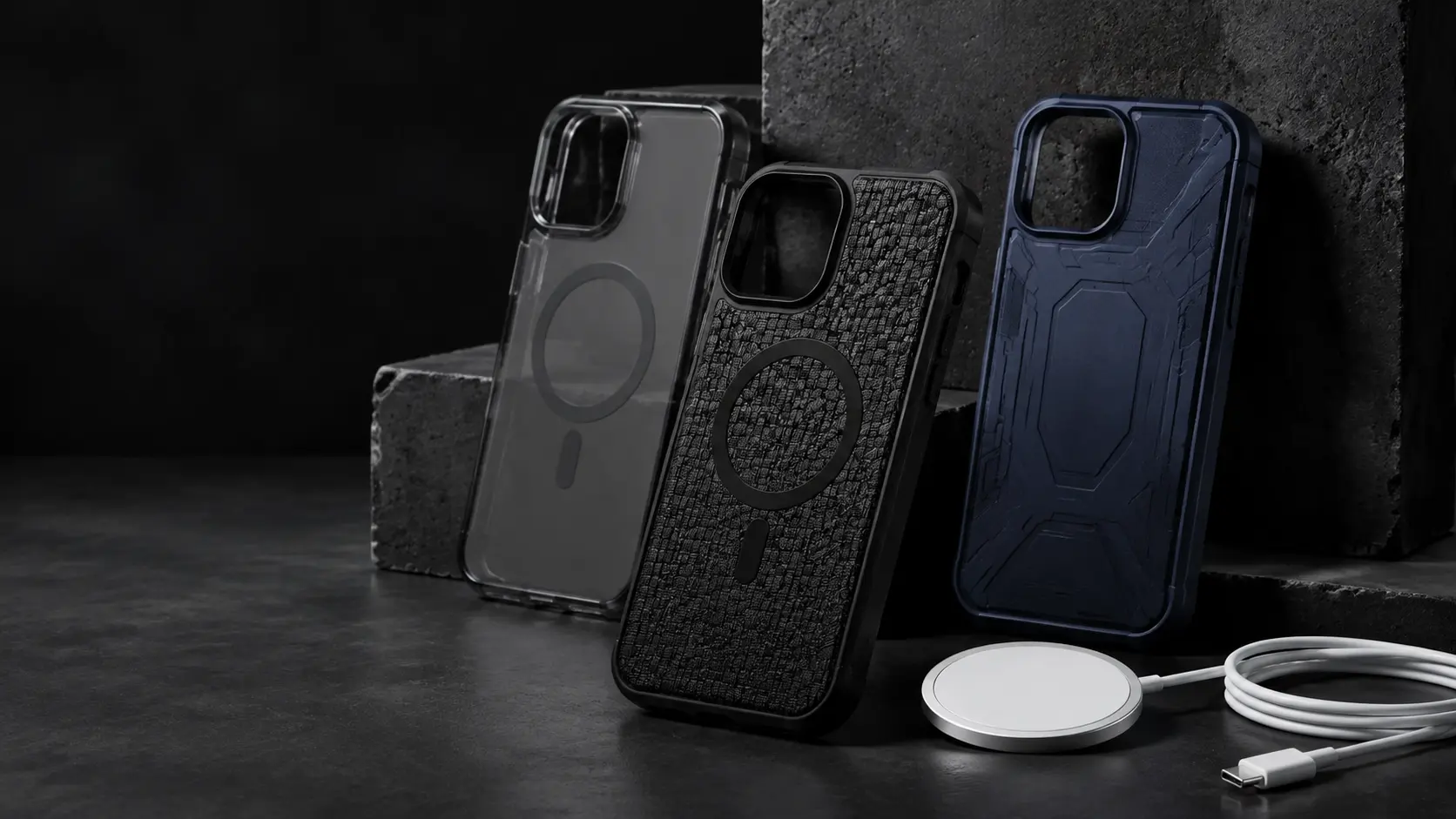
Understanding why phones break is the first step in learning how to choose a protective case that works. It is not about adding unnecessary bulk. It is about selecting a case built with the right materials and design principles to dissipate impact energy before it reaches your device’s fragile components. By learning to spot these features, you can make an informed decision and avoid the frustration of a preventable repair.
Key Features for Phone Case Drop Protection
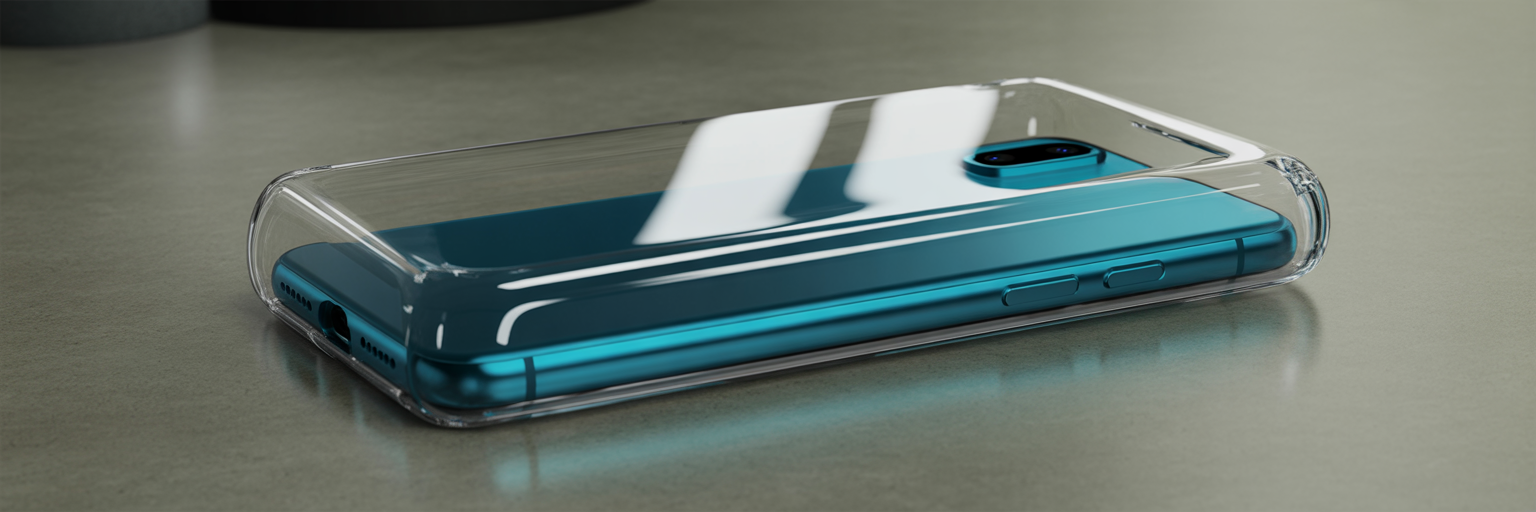
When we test cases, we look beyond marketing claims and focus on the specific design elements that absorb and redirect impact forces. A truly protective case is a system of features working together. Understanding these components is essential for evaluating real phone case drop protection.
Reinforced Corners: The First Line of Defense
Most phones land on a corner when dropped. It is the most common point of impact and the most damaging. A quality protective case accounts for this with reinforced corners. Look for visible cushioning, such as internal air pockets that act like tiny airbags, or an extra thickness of shock-absorbing material like silicone or TPU. These features are designed to compress upon impact, dissipating the force across the case instead of transferring it directly to the phone’s frame and screen.
Raised Bezel: Lifting Glass Away from Danger
A raised bezel, or lip, is the small ridge that extends above the screen and around the rear camera lenses. This is a critical, non-negotiable feature. We look for a bezel that is at least 1mm high. This small elevation ensures that if the phone falls flat on a surface like a pavement or floor, the glass never makes direct contact. It is a simple but highly effective way to prevent scratches and direct-impact shatters on both the front display and the delicate camera lenses.
Hybrid Materials: The Power of Two Layers
Single-material cases often compromise on protection. The most effective designs use a hybrid or dual-layer construction. This typically involves a rigid outer shell made of polycarbonate (PC) that resists scratches and provides structural integrity. Inside this shell is a softer, more flexible layer of thermoplastic polyurethane (TPU) that absorbs shock. The hard exterior deflects the initial impact, while the soft interior cushions the device, a combination that provides far superior protection than a single layer of either material alone.
Grip: Proactive Drop Prevention
The best way to protect your phone from a drop is to not drop it in the first place. A case’s texture and shape play a significant role in its overall protectiveness. We always check for features that enhance grip. Textured side panels, rubberised edges, or an ergonomic shape that fits comfortably in your hand can dramatically reduce the chances of an accidental slip. A secure grip is not just a comfort feature, it is a proactive form of protection.
Matching Protection to Your Lifestyle
The technical features of a case are only part of the equation. The right case for you depends entirely on your daily activities and environment. Connecting a case’s protective capabilities to your specific needs is a crucial step in understanding the different types of phone cases available.
For Active Jobs and Outdoor Use
If you work in construction, landscaping, or spend your weekends hiking, your phone faces more than just drops. Dust, dirt, and debris are constant threats. For these environments, we recommend rugged phone cases. These often feature multi-layer construction and sealed port covers to block out particulates. Some also include compatibility with lanyards or belt clips for secure carrying. A device like a Samsung phone, for example, benefits greatly from a Samsung Galaxy heavy duty case in these conditions.
For Busy Households with Children
Life with children introduces a unique level of unpredictability. Drops can happen from any height, and sticky fingers are a given. For this environment, prioritise cases with excellent shock absorption, especially in the corners, and a substantial raised bezel. A secure grip is also essential to prevent the phone from being easily knocked out of hands. Materials that are easy to wipe clean, like smooth silicone or hard polycarbonate, are a practical bonus.
For the Everyday Commuter and Office User
Not everyone needs a fortress for their phone. If your daily routine involves commuting to an office, you can find a balance between robust protection and a manageable size. A slim protective phone case is often the ideal solution. The best options do not sacrifice core protective features. They still include reinforced corners and a raised screen bezel but in a more pocket-friendly design that does not interfere with wireless charging or MagSafe functionality.
| Lifestyle | Primary Threats | Essential Case Features |
|---|---|---|
| Active Jobs & Outdoors | High drops, dust, debris, moisture | Multi-layer construction, port covers, secure grip, lanyard/clip compatibility |
| Busy Household with Kids | Frequent, unpredictable drops from various heights, sticky fingers | Excellent shock absorption (especially corners), raised bezels, easy-to-clean material |
| Everyday Commute & Office | Pocket fumbles, desk slips, moderate drops | Slim profile with reinforced corners, raised screen/camera bezel, good grip |
Decoding Drop Test Ratings and Claims
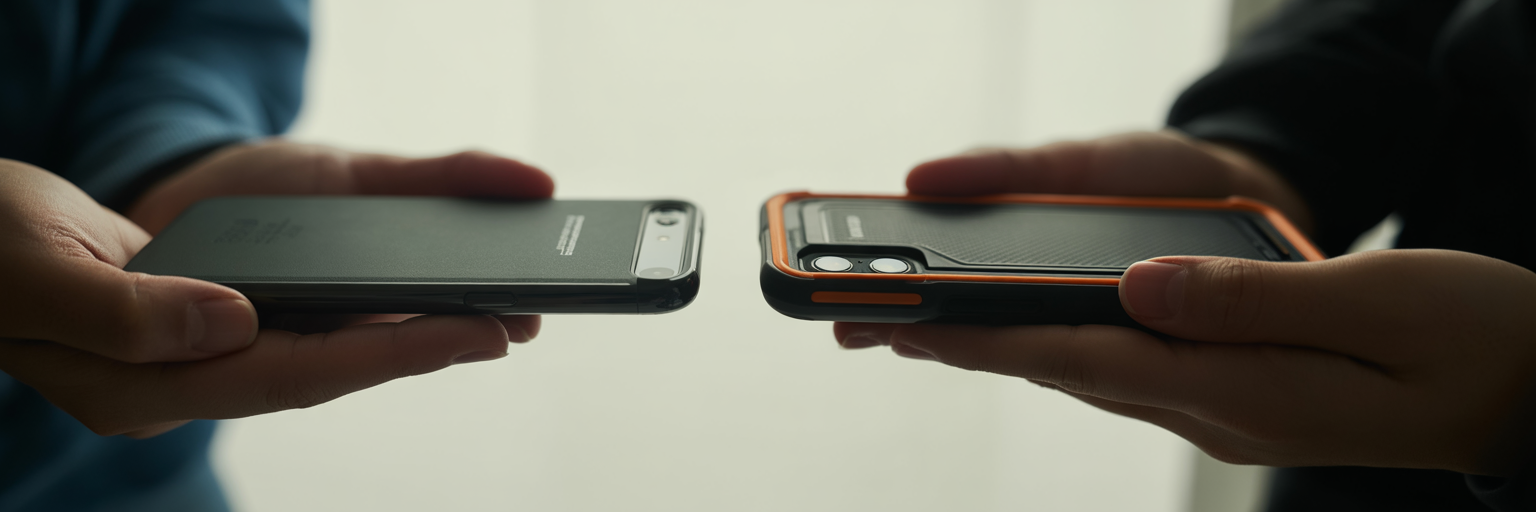
The market is filled with bold claims about protection, but not all are created equal. Learning to read between the lines of marketing jargon helps you identify cases that are genuinely durable. Our testing has taught us to be sceptical of vague terms and to look for specific, verifiable data.
First, understand what ‘Military-Grade’ really means. This term often refers to MIL-STD-810G, a set of testing standards for military equipment. However, it is not a formal certification. Manufacturers often self-test their products against some of these standards, and the term alone is not a guarantee of quality. It is a useful starting point, but it should not be the only factor in your decision.
Instead, prioritise specific drop-height data. A brand that states its case is tested to withstand drops from 10 feet provides a much more concrete and trustworthy claim than one that simply uses vague marketing language. When searching for the best protective iPhone case, look for these specific metrics on the packaging or product page. This data shows the manufacturer has tested its product to a measurable standard.
Remember the value of independent, hands-on testing. Editorial reviews from trusted sources can reveal flaws that lab tests miss. A case might survive a controlled drop but prove frustrating to use daily due to stiff buttons or a slippery finish. Finally, a case’s protective features are useless if it does not fit properly. A loose case allows the phone to shift on impact, reducing shock absorption and increasing the risk of damage. Always choose a case designed specifically for your phone model to ensure a snug, secure fit.
Your Final Protective Case Checklist
Choosing the right case comes down to verifying a few key features. Before you buy, run through this simple checklist to ensure you are getting the protection you need. This practical approach will help you make a confident and informed decision.
- Reinforced Corners: Does the case have visible air cushions, internal ribbing, or extra material on the corners? This is where most impacts happen.
- Raised Edges: Is there a lip of at least 1mm protecting the screen and camera lenses? Place the phone face down to check for a gap.
- Secure Grip: Does the case have textured or rubberised sides to prevent slips? A case that stays in your hand is your best defense.
- Verified Protection: Does the brand provide specific drop-height data (e.g., “10-foot drop tested”) instead of vague terms like “heavy duty” or “military grade”?
For the most complete coverage, we strongly advise pairing any high-quality case with a tempered glass screen protector. This combination provides comprehensive, 360-degree protection against both impacts and scratches. By following this checklist, you can confidently select a case that protects your investment.