The moment you unbox a new smartphone is a mix of excitement and a slight panic about keeping its pristine finish. A phone case is not just an accessory; it is the first line of defense for an expensive and essential device. Learning how to choose a phone case that fits your life is the most important step you can take to protect that investment. It starts with an honest look at your daily routine.
How to Choose a Phone Case for Your Lifestyle
Before looking at any specific case, consider where your phone spends its time. Your daily activities are the best indicator of the protection level you actually need. Most people fall into one of three general profiles.
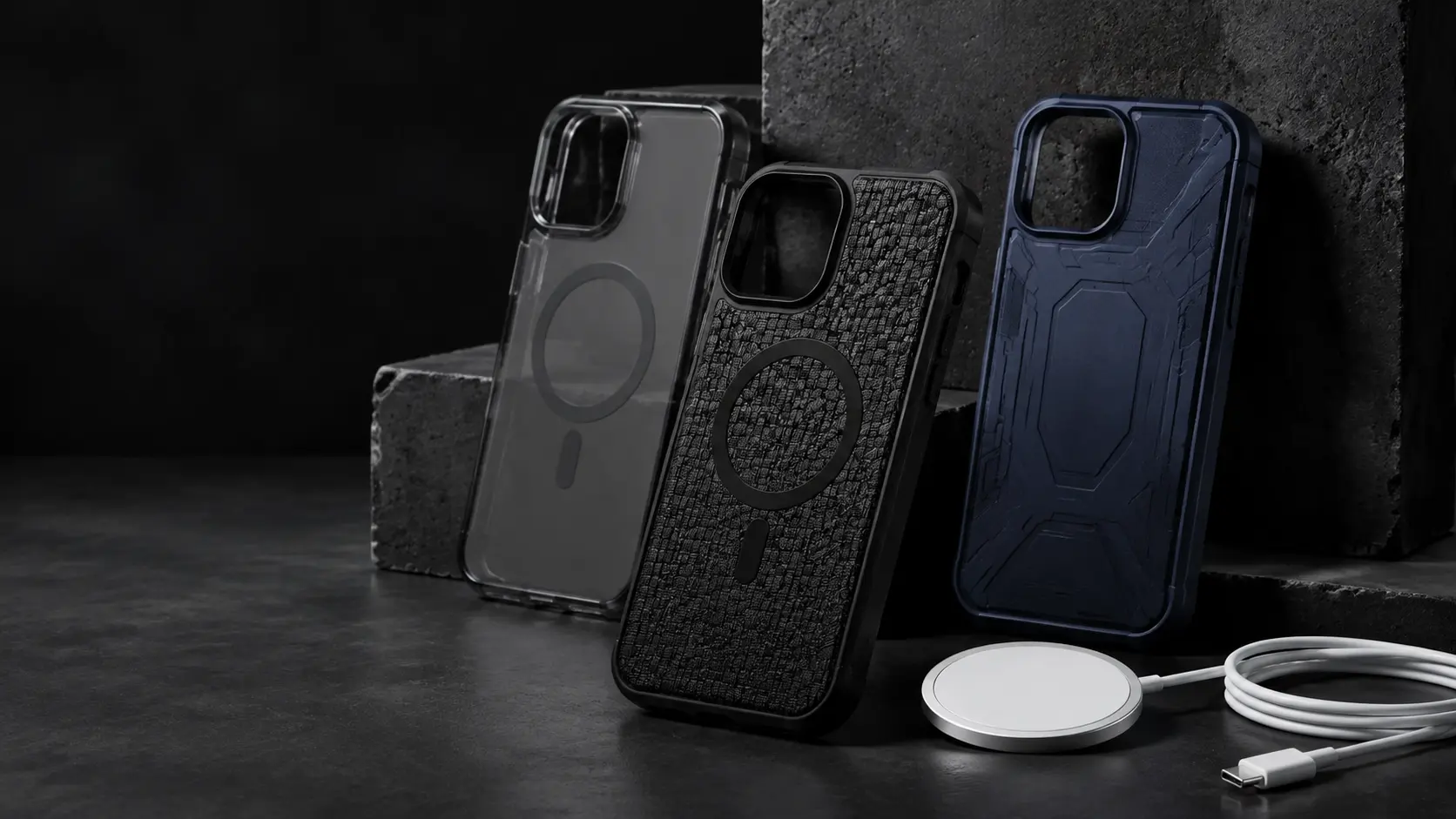
Light Use: Your phone is mostly at home or in a controlled office setting. The biggest risks are minor scuffs from a desk or a short drop onto a carpeted floor. You rarely take it into unpredictable environments. Protection is more about preventing scratches than surviving major impacts.
Moderate Use: You are a daily commuter, a busy parent, or have an active social life. Your phone is constantly in and out of pockets, bags, and car mounts. It faces the risk of accidental bumps against countertops or short drops onto pavement. You need a balance of solid protection and manageable size.
Heavy-Duty Use: Your work takes you to outdoor job sites, or your weekends are spent hiking, cycling, or traveling. Perhaps you are simply prone to frequent drops. For you, maximum impact resistance is non-negotiable. Your phone requires a case built to withstand significant falls, dust, and debris.
Identifying which profile best describes your typical week is the first step. This self-assessment will guide every other decision, ensuring the case you buy is one you can trust.
Understanding Common Phone Case Types
With your protection needs in mind, you can begin to explore the main categories of phone cases. Each style offers a different balance of protection, features, and aesthetics. Understanding their primary purpose helps narrow down your options.
- Slim and Clear Cases: These are designed to be as unobtrusive as possible. They prioritize showing off your phone’s original design and color while offering basic protection against scratches and minor scuffs. Their slim profile makes them easy to handle, but they typically offer minimal drop protection.
- Rugged Cases: Built for maximum defense, these cases often feature multi-layer construction with a soft inner core and a hard outer shell. Their main purpose is surviving serious drops. The trade-off is significant bulk and weight, which can make the phone less pocket-friendly.
- Wallet and Folio Cases: These combine your phone case and wallet into one. Folio styles include a cover that protects the screen, while other wallet cases have card slots on the back. They add utility but also thickness, and using the phone often requires two hands.
- Grip Cases: The primary feature of these cases is a textured surface on the sides or back. They are designed to provide a more secure hold, reducing the chance of dropping your phone in the first place. Protection levels can vary, but the focus is on prevention.
What Phone Case Materials Mean for Durability
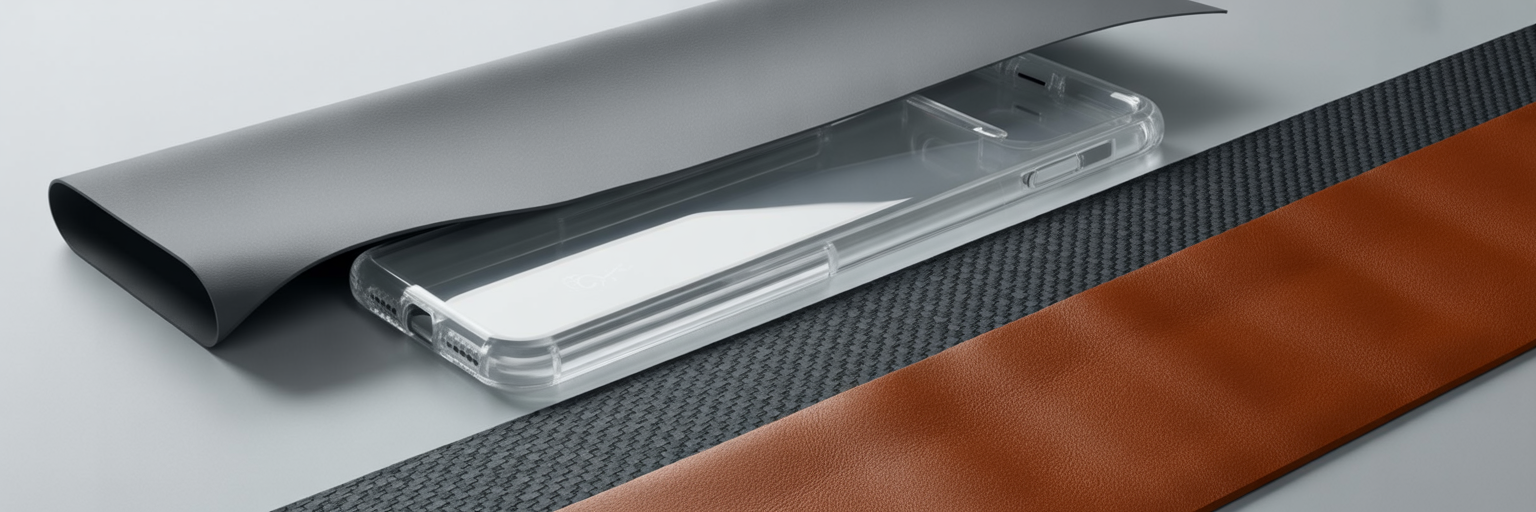
The material a case is made from directly impacts its grip, feel, and ability to protect your phone. Our hands-on testing reveals clear patterns in how different materials perform over time. A deeper look at phone case materials explained helps you understand what you are really buying.
TPU (Thermoplastic Polyurethane) is a flexible, rubber-like plastic that is excellent for shock absorption. It provides a confident grip and is used in many everyday cases. Its main drawback is a tendency to yellow after three to six months of UV exposure, especially on clear models.
Polycarbonate (PC) is a rigid, tough plastic that forms the structural backbone of many protective cases. It is highly effective at resisting impacts from drops. However, its hard surface is prone to showing fine scratches and scuffs from daily use, which can diminish the appearance of clear cases over time.
Aramid Fiber is a high-performance composite material known for its incredible strength-to-weight ratio. It offers robust protection with minimal bulk and, unlike carbon fiber, does not interfere with cellular or Wi-Fi signals. This premium performance comes at a higher cost.
Leather offers a classic look and a pleasant feel that improves with age, developing a unique patina. It provides a good grip and decent scratch resistance for the body of the phone, but it offers less impact protection than plastics and requires occasional care to stay in good condition.
| Material | Primary Benefit | Common Drawback | Best For |
|---|---|---|---|
| TPU (Thermoplastic Polyurethane) | Excellent shock absorption & grip | Yellows with UV exposure over time | Everyday balanced protection |
| Polycarbonate (PC) | Rigid structure & impact resistance | Shows scratches and scuffs easily | Clear cases and rugged frames |
| Aramid Fiber | Extreme strength with minimal weight | Higher cost than plastics | Premium, slim, non-interfering protection |
| Leather | Premium look, feel, and grip | Less impact protection, requires maintenance | Style-focused users, office environments |
Key Protective Features to Inspect

Marketing terms can be confusing, but a few tangible features separate the best protective phone cases from the rest. When you have a case in hand, or are looking at detailed product images online, check for these three critical elements.
- Raised Bezels: Look for a protective lip that extends above the screen and around the camera lenses. A bezel of at least 0.3mm is crucial. This small ridge ensures that when you place your phone face down on a flat surface, the glass itself never makes contact, preventing everyday scratches.
- Corner Protection: Phones most often land on their corners when dropped. Quality cases incorporate reinforcement in these vulnerable areas. This can take the form of thicker material, internal air pockets, or a distinct bumper design that is engineered to absorb and disperse impact force away from the device.
- Buttons and Cutouts: A great case should not compromise usability. Press the volume and power buttons. They should feel tactile and “clicky,” offering clear feedback. Mushy, unresponsive buttons are a common frustration. Also, inspect the cutouts for the charging port and speakers. They should be precisely aligned and generously sized to accommodate third-party cables and accessories, not just the original ones.
Ensuring Perfect Fit and MagSafe Compatibility
Two factors can make or break your experience with a new case: a perfect fit and reliable MagSafe performance. A case is not a one-size-fits-all accessory. Manufacturers design them for specific models, and even minor differences matter. For example, a case made for the iPhone 16 will not fit an iPhone 16 Pro due to slight variations in camera module size and button placement. This precision is why a dedicated iPhone 16 case guide or Samsung Galaxy S case guide is so important for finding a compatible product.
This same attention to detail applies to MagSafe. True MagSafe compatible cases have a circular array of magnets built directly into their structure. This ensures a strong, secure connection with chargers, wallets, and mounts. Cases that are merely “MagSafe-friendly” because they are thin often have weak magnetic strength. Our tests show this leads to accessories easily falling off, slow or interrupted wireless charging, and an insecure connection on car mounts, where a bump in the road can send your phone tumbling.
Before committing to a case, confirm its fit. It should snap onto your phone firmly, with no gaps or loose edges. The phone should not shift or rattle inside. A snug, precise fit is a hallmark of a well-made case and is essential for both protection and functionality.
Making Your Final Decision: Style vs Function

With all this information, you can now make a confident choice. The best approach is a logical one that balances your needs with your personal taste. Think of it as a simple filtering process.
First, start with your non-negotiable protection level. If you identified as a heavy-duty user, filter out all slim and purely cosmetic cases immediately. Next, filter for essential functions. If you rely on MagSafe accessories, only consider cases with strong, integrated magnets. If you want to carry cards, focus on wallet styles.
Only after your protection and functional needs are met should you consider aesthetics. At this stage, you can browse the remaining options to find the color, material, and design that you like best. The goal is not to find one flawless case that does everything. It is to find the optimal balance of protection, features, style, and price that works for you.
Knowing When to Replace Your Phone Case
A phone case is a sacrificial accessory. It is designed to absorb damage so your phone does not have to. Over time, it will wear out, and using a compromised case provides a false sense of security. Knowing the signs of wear helps you decide when it is time for a replacement.
Look for these clear indicators:
- A Loose Fit: If the case has stretched and your phone moves around inside it, its ability to absorb shock is significantly reduced.
- Visible Cracks: Any cracks in the hard polycarbonate shell or deep tears in the flexible TPU mean the structural integrity is gone.
- Significant Yellowing: For clear cases, heavy yellowing is not just a cosmetic issue. It signals that the TPU material has degraded from UV exposure and has become more brittle.
- Worn-Down Bezels: If the protective lip around the screen or camera has worn down to be flush with the glass, it no longer offers lay-on-the-table protection.
A new case is a small expense compared to the cost of a screen replacement or other phone repair. Replacing a worn-out case is a smart, practical investment in keeping your device safe.